
Sometime in the second half of the 17th century, Spanish and Italian missionary colonists introduced wheat to the Sonoran desert region of what is now a large part of Arizona and Northwestern Mexico. Possibly due to Spanish Jewish settlers looking for a kosher alternative to the corn tortilla, the flour tortilla became a culinary staple of the region. NPR has a short story on why it is that thin flour tortillas become such a hit (rather than the thicker New Mexico style). The publication Edible Baja Arizona also has a great article on the history of Sonoran wheat and efforts to bring local wheat production back to the area. A fascinating example of a lost regional culinary culture that is being revived through local farming and milling of Sonoran white wheat.
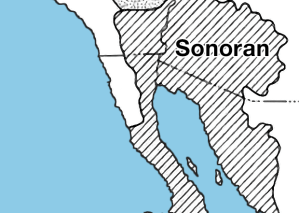
One of the people helping to revive the local wheat scene down in Arizona is Hayden Flour Mills. I have been following their awesome work over the past year, in part, as a model of something I would like to build up here in Washington.
I figured it was time to actual order up some of their signature White Sonora Wheat and give it a go in making tortillas.

I love homemade tortillas and have been getting better and better at whipping them up on short notice. This, however, would actually be my first attempt with fresh milled flour. First, I would say that the White Sonora berries themselves are very attractive (for a wheat berry), with a round, supple appearance. Much more so than the tough hardened look of say winter Red Fife. The flour is soft and fine, with a yellow tint that reminded me of the color of white corn chips. The raw flour by itself is mild and sweet tasting. Definitely not the heartiness of a bread flour, but with more earthy-wheat flavor than a soft white flour.
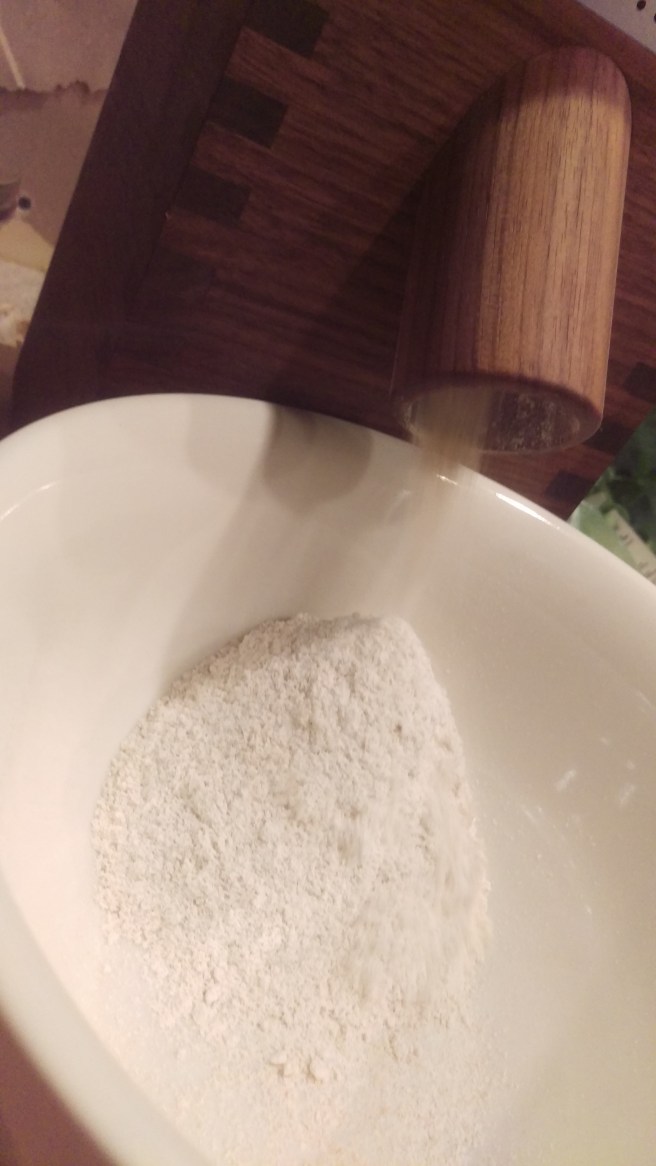
For these tortillas I kept the flour whole, but I would not repeat this and would sift off some of the bran in the future (this was my first mistake.) The bran is light and blends into the overall floury endosperm so it was easy to justify leaving it in, but it still seemed to soak up too much water and broke up the formation of nice long gluten chains. As you can tell from the pictures, the dough came out dry. It is hard to correct for under-hydrating dough after it is mixed. I tried a little, but it was too late. The dough still rolled nice and thin while maintaining a good flexible strength, but the edges frayed. The second mistake was using spelt flour (left over from milling the week before) to dust while rolling the tortillas. I should have just milled extra white flour for this, but I was trying to be resourceful.
(See the hazy photos below. I did not realize that there was a sheen of lard over the lens of my camera phone.)
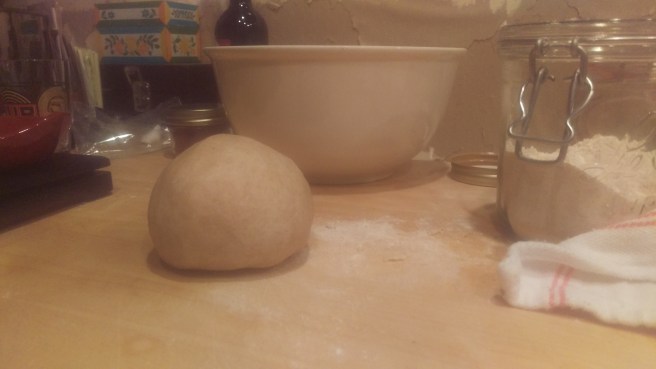
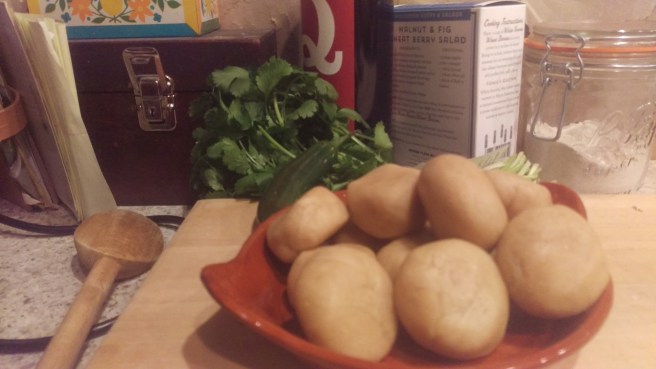
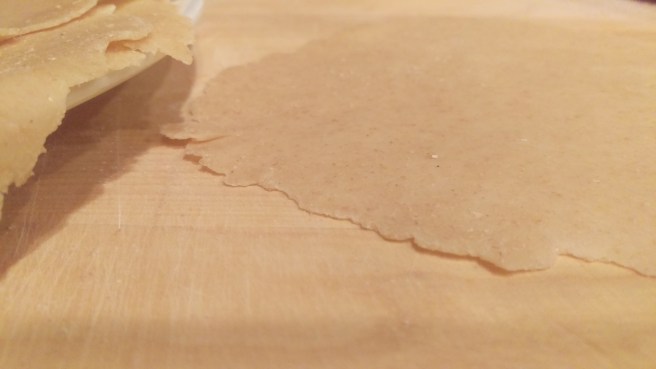

In the end, the tortillas were tasty, just due to the great flavor of the White Sonora flour, which shone through the poor execution on my part. These were my most “rustic” tortillas in a while. Too dry, my wife added. She asked if I could make them more like the chewy store-bought kind. I might try a batch with a 50 oil/ 50 lard fat ratio. Regardless though, the next batch of Sonoran wheat tortillas will be much better.


Did you eventually have success? I’m also milling fresh Sonora for tortillas; I’ve tried Sonora only, a mix of 1/2 hard white and Sonora, and 1/2 Spelt and Sonora (big mistake but similar situation – it was already milled). Barton Springs Mill suggested the mix of sifted HWW and Sonora but didn’t elaborate on the ratio. I did have a better tortilla that was flexible and stayed soft. The other trials tasted nice but broke apart or tore even with additional hydration. I’m using lard, distilled water, and real salt. I did add a very small amount of baking powder to the “successful” tortilla, but I don’t want to keep it in the mix if I can avoid it. Using store bought AP flour, the tortillas of the same ingredients turned out really nice. That being said, I will not go back to dead flour. I’m not giving up!
LikeLike